The blog
How to Apply Peel-Off Lip Stain: 7 Steps for All-Day Color
Learn how to apply peel-off lip stain in 7 easy steps for smudge-proof, waterproof color that lasts all day. Includes pro tips, mistakes to avoid & FAQs.
September 29, 2026
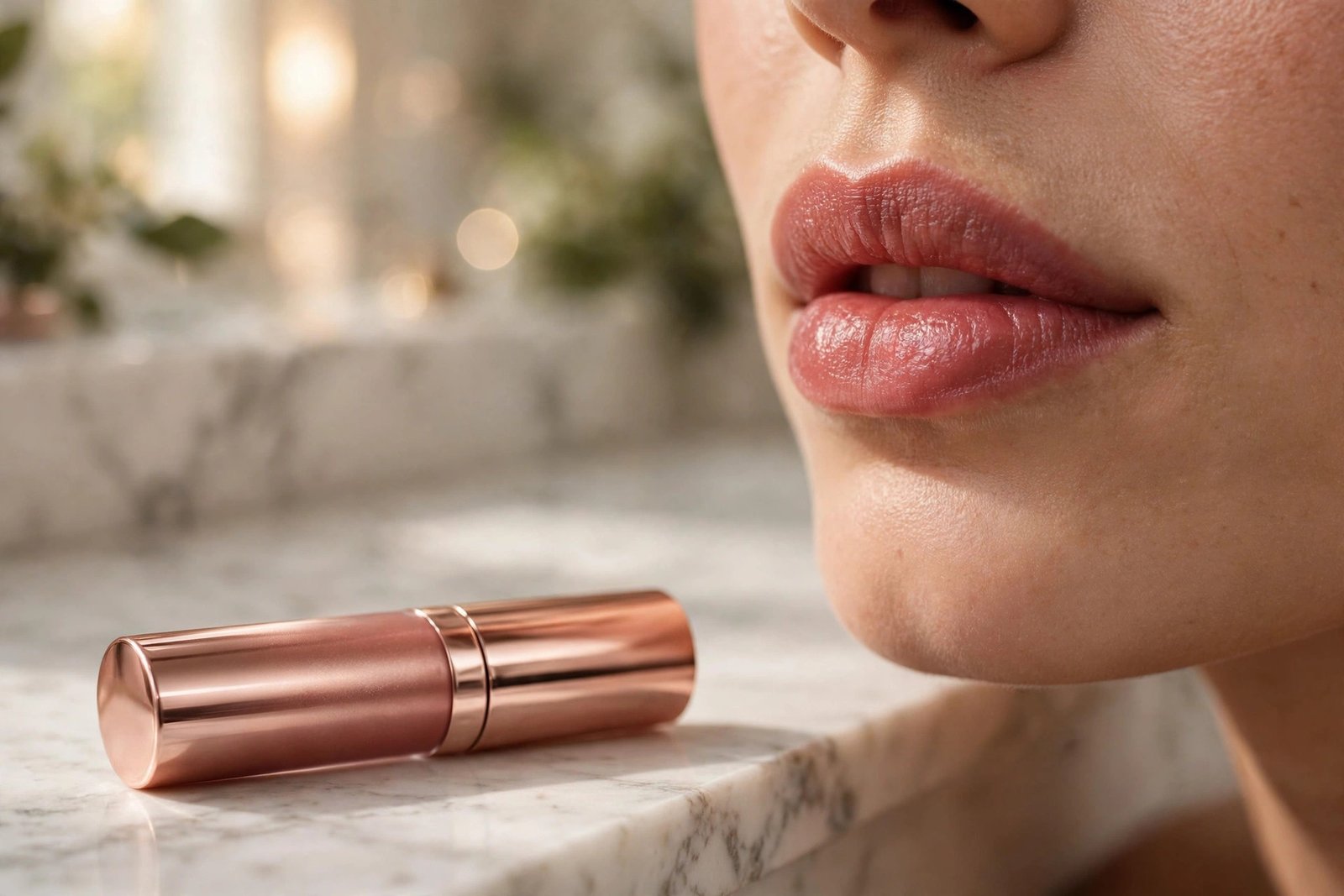
Peel-off lip stains are the rare viral beauty product that actually earns the hype — when you know how to apply peel off lip stain correctly. Done right, one application gives you smudge-proof, transfer-proof color that survives coffee, lunch, and a full workday. Done wrong, you get a patchy, flaky mess that peels off in chunks before noon.
The difference is almost entirely technique. This guide covers what a peel-off lip stain is, the exact 7 steps for flawless application, how long color really lasts, the mistakes that ruin results, and which formulas are worth your money in 2026 — including an affordable pick that outperforms products twice its price.
What Is a Peel-Off Lip Stain (and How Does It Work)?
A peel-off lip stain is a liquid lip color that goes on like a gloss or liner, dries into a flexible film over 10 to 20 minutes, then peels away — leaving pure pigment bonded to your lips. Think of it as a temporary tattoo for your mouth: the film is just the delivery vehicle.
The “peel off” part confuses first-timers: you are not peeling the color off, but a translucent mask — the color stays. Staining agents (typically food-grade dyes and film-forming polymers) grip the top layer of skin as the base evaporates, which is why the result outlasts nearly every other lip category.
A peel off lip liner stain is the precision version of the same idea: a liner-style applicator for defining your lip line and filling with control, rather than painting with a doe-foot wand. It’s a genuinely peel off lip stain for beginners-friendly category — the learning curve is one or two applications, and the formula does the hard work if you follow the steps below in order.
How to Apply Peel-Off Lip Stain: 7 Step-by-Step Instructions
Follow these in order, without skipping. Each step exists because of how the film-forming chemistry works.
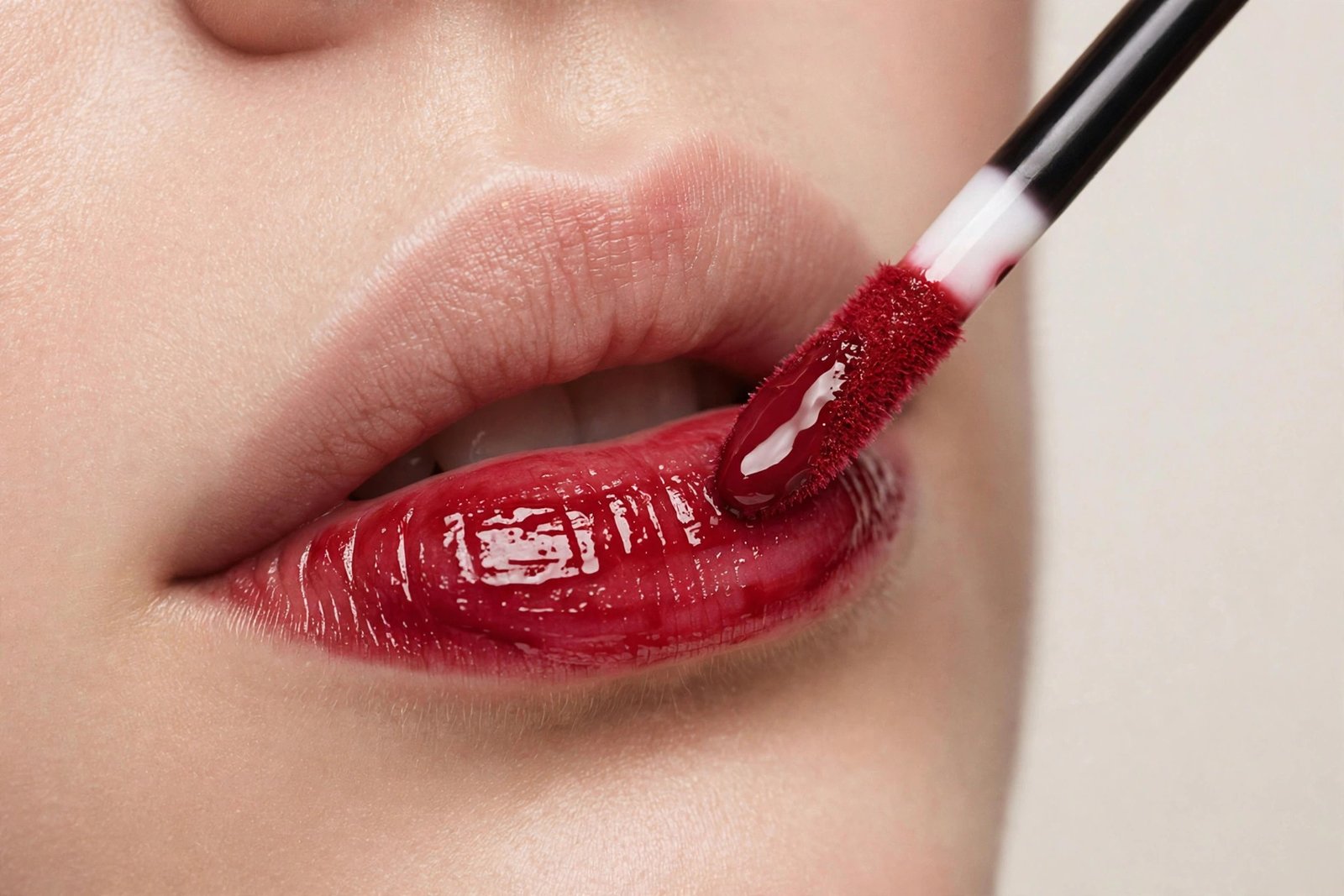
Step 1: Exfoliate and prep your lips
Why it matters: Stain pigment clings to whatever it touches first. If your lips are flaky, the color bonds to dead skin cells that shed within hours — taking your “all-day” color with them. A smooth canvas is the single biggest predictor of even, long wear.
How: Gently buff lips with a sugar scrub or a damp washcloth using light circular motions for about 30 seconds, then rinse. Do this the night before for best results, or at least 10 minutes before application.
Pro tip: If your lips are very chapped, exfoliate the night before and sleep in plain balm — then remove every trace of residue in the morning (see Step 2).
Step 2: Start with clean, completely dry lips
Why it matters: This is the step most people get wrong. Any slip on your lips — lip balm, face oil, moisturizer migrated from your skincare, even saliva — creates a barrier the film cannot bond through. The result: patchy adhesion and premature peeling.
How: Blot firmly with a tissue or cotton pad, then wait until lips feel totally dry — no sheen, no tackiness. About 60 seconds of air-drying after blotting is usually enough.
Pro tip: If you exfoliated in Step 1, resist the urge to “moisturize after.” Balm comes *after* the stain is done (Step 7), never before.
Step 3: Apply a thick, even layer
Why it matters: A thin layer dries too fast, tears when you peel, and deposits uneven color. The film needs enough body to lift off in one clean sheet. With a liner-format stain, outline first, then fill inward.
How: Starting at the cupid’s bow, trace your natural lip line, then fill the entire lip with smooth, overlapping strokes. Aim for full, opaque coverage with no sheer spots — one generous coat beats two skimpy ones.
Pro tip: Work in one direction rather than scrubbing back and forth, which creates thin spots — and stay just *inside* your natural line; color deposited outside it will stain skin too.
Step 4: Fix mistakes immediately
Why it matters: Once the film starts setting (around the 3–5 minute mark), corrections get difficult. In the first minute or two, though, the formula is still movable and wipes away cleanly.
How: Trace a micellar-water-dampened pointed swab along the outside of your lip line to sharpen the edge. For bigger slips, wipe and reapply that section — never layer fresh product over a half-dried edge.
Pro tip: Keep the swab slightly damp, not dripping. Excess water thins the nearby film and weakens the stain underneath.
Step 5: Let it dry for 10–20 minutes
Why it matters: The drying window is when the magic happens — solvents evaporate, polymers cross-link into a film, and pigment locks into skin. Talking, eating, drinking, or pressing your lips together during this window disrupts film formation and leaves weak spots.
How: Set a timer for 15 minutes as a baseline (check your product’s directions; most specify 10–20). Keep your mouth relaxed and slightly open. The film will go from glossy-wet to dry and slightly tight — that’s your signal it’s ready.
Pro tip: For deeper color, let the first layer dry completely, then apply a second full layer and repeat the wait. Two fully-dried layers outlast one ultra-thick layer, which can crack.
Step 6: Peel from the corner
Why it matters: Peeling technique determines whether the film lifts cleanly or shreds. Starting at a corner gives you a grip point and lets the film release along its weakest axis.
How: Gently lift the film at one outer corner of your mouth and peel slowly toward the center, then repeat on the other side. Slow and steady — yanking fast is what causes tearing. The color revealed underneath should look even and slightly matte.
Pro tip: If the film feels gummy instead of dry, it isn’t ready — wait 5 more minutes. Peeling a wet film pulls unset pigment off with it, the #1 cause of “it didn’t work” complaints.
Step 7: Moisturize and set
Why it matters: The stain is now locked in, but the staining process leaves lips matte and can feel tight. A moisturizing layer on top restores comfort and adds dimension — and because the color is bonded to skin, balm or gloss sits *over* it without disturbing it.
How: Apply a clear lip balm, lip oil, or gloss over the stain. Reapply balm through the day as needed; the color underneath will not budge.
Pro tip: Blot once after the first balm application, then add a final thin gloss layer — this “sandwich” keeps lips comfortable for hours while the stain works underneath.
How Long Does Peel-Off Lip Stain Last?
So how long does peel off lip stain last once applied correctly? Realistically 6 to 12 hours of visible color from a quality formula — though very oily foods fade any stain faster, since oil dissolves pigment.
Three factors control your wear time more than brand does:
- Prep quality. Steps 1 and 2 above are responsible for most of the difference between 4-hour and 10-hour wear.
- Layering. Two fully-dried layers consistently outlast one, as noted in Step 5.
- Formula. A true waterproof lip stain with strong film-formers will beat a watery tint every time — water, sweat, and humidity barely touch a properly set film.
Quality stains fade gradually and evenly rather than flaking or leaving a harsh ring like some liquid lipsticks — usually from the inner lip first, where saliva and food contact is constant. A quick balm refresh keeps it looking intentional.
Peel-Off Lip Stain vs. Lip Tint vs. Liquid Lipstick
The peel off lip stain vs lip tint debate comes up constantly, and the confusion is understandable — both promise long wear, and both leave pigment behind. Here’s how the three main long-wear lip categories actually compare:
| Peel-Off Lip Stain | Classic Lip Tint | Liquid Lipstick | |
|---|---|---|---|
| What it is | Film-forming liquid you peel away, leaving bonded pigment | Watery or gel dye you swipe on directly | Highly pigmented liquid that dries to a matte/opaque finish |
| Finish | Natural stained look, buildable | Sheer, juicy, “just-bitten” | Full-coverage, flat matte |
| Wear time | 6–12 hours | 3–6 hours | 6–10 hours |
| Transfer-proof? | Yes, once set | No — transfers easily | Mostly, until it breaks down |
| Application effort | Higher (7 steps, 15-min wait) | Lowest (swipe and go) | Medium (precise application, touch-ups) |
| Comfort | Barely-there once set | Very comfortable | Can feel dry/tight; cracks over time |
| Removal | Peels off; residual tint needs oil cleanser | Fades on its own | Needs makeup remover |
| Best for | All-day events, weddings, long workdays | Everyday natural makeup, reapplication-friendly | Bold opaque looks, photography |
Bottom line: Choose peel-off when longevity matters and you can spare 15 minutes of prep; classic tint for low-effort daily color; liquid lipstick for full opacity above all else.
Do Peel-Off Lip Stains Really Work? 5 Mistakes to Avoid
Short answer to do peel off lip stains work: yes — the chemistry is sound and millions of wear-tests prove the concept. But the format punishes sloppy technique, which is why “why isn’t my peel-off lip stain working?” is one of the category’s most-searched questions. Every failure traces back to one of these five mistakes:
Mistake 1: Applying over balm, oil, or moisturizer
The #1 killer. Any oily or waxy layer blocks the film from bonding to skin. Your lips must be bare and dry — balm comes after, never before.
Mistake 2: Using too thin a layer
A sheer wash dries into a fragile film that shreds on peeling and deposits blotchy color. Be generous. If you can see your natural lip color through the wet product, add more.
Mistake 3: Peeling too early
If the film is still tacky or gummy, the pigment underneath hasn’t finished bonding. The “it’s not working” moment is almost always impatience. When in doubt, give it 5 more minutes.
Mistake 4: Expecting lipstick-level opacity
A stain tints; it doesn’t coat. Judge it on even, natural-looking color that lasts — not one-swipe pigment load. Full flat opacity is liquid lipstick’s job.
Mistake 5: Skipping exfoliation
Applying over flaky lips guarantees patchy results, because the stain bonds to dead skin that sheds within hours. Thirty seconds of buffing is the cheapest insurance for all-day wear.
Fix these five and the format works exactly as advertised.
The Best Peel-Off Lip Liners to Try (2026)
The best peel off lip liner for you depends on budget and priorities, but the field has clear standouts this year:
- SACHEU Peel Off Lip Liner STAY-N (~$14–20): The viral original. Excellent shade range and reliable wear, but you’re paying for the name and stock sells out often.
- Maybelline Super Stay Peel Off Lip Stain (~$10–13): The best drugstore entry — fast-drying, affordable, slightly shorter wear. A great low-commitment first try.
- Wonderskin Wonder Blading Lip Stain Masque (~$22): The prestige pick with arguably the longest wear. The price reflects it.
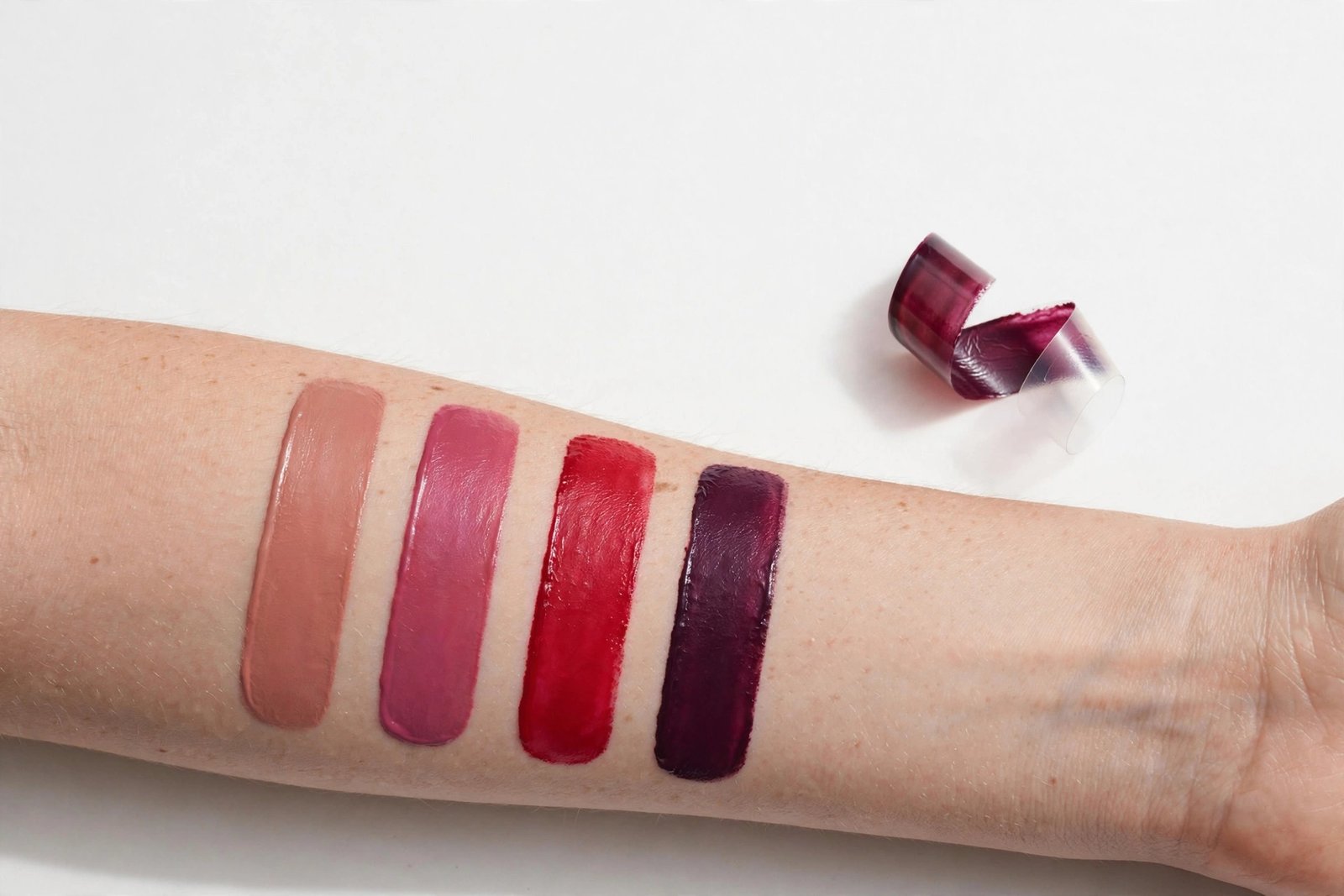
Our pick for value: the Peel-Off Lip Liner Stain – Waterproof Long-Lasting Lip Tint from Products in Trends — a true waterproof lip stain in a precision peel off lip liner stain applicator that makes all 7 steps above dramatically easier. At $14.99, it undercuts Wonderskin by roughly a third with the same smudge-proof, all-day finish. If you’re buying your first peel-off formula, this is where your dollar goes furthest.
Is Peel-Off Lip Stain Safe? Will It Dry Out Your Lips?
Is peel-off lip stain safe for daily use? For most people, yes. Reputable formulas use cosmetic-grade dyes and film-forming polymers that sit on the skin’s surface and are designed to be non-toxic; the film is inert once dry. Two precautions: patch-test first if you’re reactive to lip products, and avoid applying over cracked skin, where staining looks uneven.
Does it dry out your lips? The application is mildly drying by nature — but you seal the finished stain with balm or gloss (Step 7), so daily use doesn’t have to mean dry lips. If your lips run dry, choose a hydrating formula and never skip the post-peel moisturizing step.
How to Remove Peel-Off Lip Stain
Here’s the good news about how to remove peel off lip stain: the film part removes itself — that’s the peel. What’s left is bonded pigment, and it fades gradually on its own over hours.
To remove residual tint faster:
- Oil-based cleanser or micellar water on a cotton pad, held against the lips for 30 seconds, then wiped gently. Oil dissolves the pigment bonds far better than water.
- A gentle lip scrub for stubborn edges — the same sugar scrub from your prep routine works.
- Plain petroleum jelly left on for a few minutes also loosens residual stain effectively.
Don’t pick, pull, or scrub aggressively at stained skin — the pigment sits in the top layer and releases with oil and time; force just causes irritation.
Peel-Off Lip Stain FAQs
What is the lip liner that you peel off called?
It’s called a peel-off lip stain or peel-off lip liner stain — a liquid lip color that dries into a peelable film and leaves bonded pigment behind.
How long does peel-off lip stain last?
Six to twelve hours with proper prep and a full 10–20 minute dry-down. Oily foods fade it faster; water and sweat barely affect a properly set formula.
Do peel-off lip stains really work?
Yes, when applied correctly. Nearly all “it didn’t work” cases come from the five mistakes above — balm underneath, too-thin layers, peeling too early, expecting lipstick opacity, or skipping exfoliation.
Why isn’t my peel-off lip stain working?
Check the five mistakes in order: (1) lips weren’t bare and dry, (2) layer was too thin, (3) you peeled before it fully dried, (4) lips weren’t exfoliated. Fixing #1 alone resolves most failures.
How do you remove peel-off lip stain?
Peel the film, then dissolve remaining pigment with an oil-based cleanser or micellar water. A gentle scrub handles stubborn edges. Never pick at stained skin.
Is peel-off lip stain safe for daily use?
Generally yes — reputable formulas use cosmetic-grade, non-toxic ingredients. Patch-test if you’re reactive, and avoid applying over cracked skin.
Will peel-off lip stain dry out my lips?
Application is mildly drying, but sealing with balm or gloss afterward keeps lips comfortable — daily use with proper moisturizing shouldn’t dry lips out.
How can I make my lip stain last all day?
Exfoliate, apply to bare dry lips, use a full opaque layer (or two fully-dried layers), let it set the complete 10–20 minutes, and go easy on very oily foods. Seal with balm and reapply balm — not color — through the day.